WHY FALL RECOVERY MATTERS

Falls are one of the most common incidents across:

  • Assisted living facilities

  • Nursing homes

  • Hospitals

  • Private homes

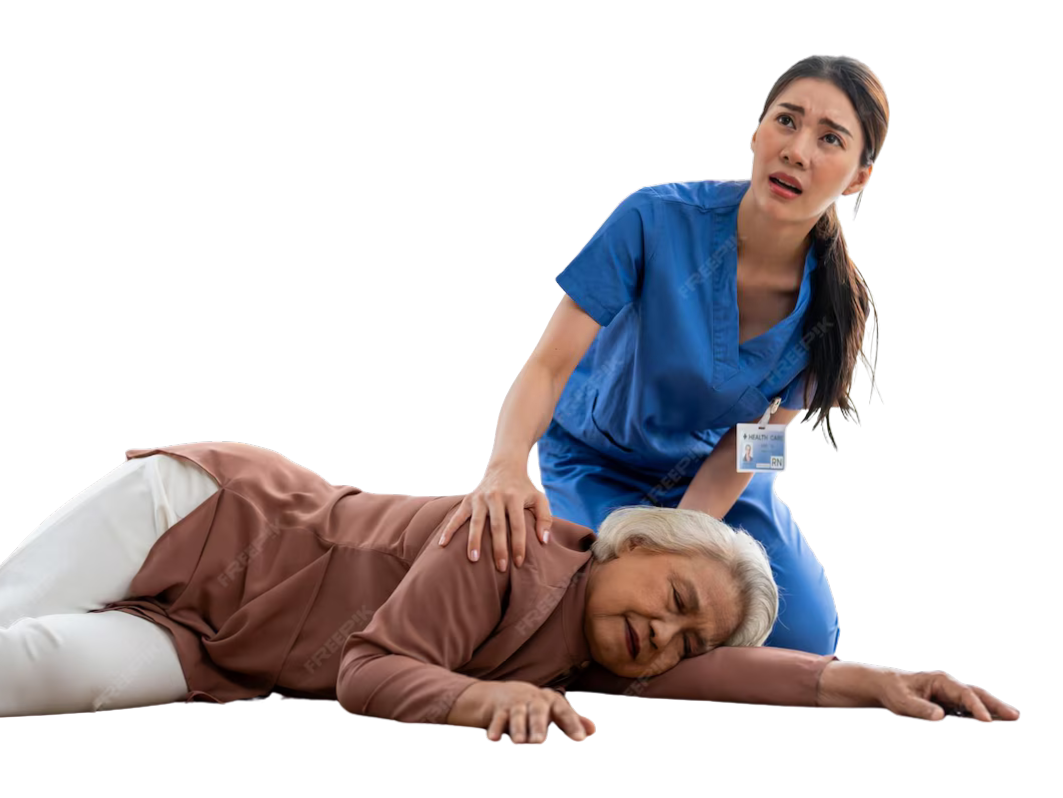
Nurse assisting elderly woman after fall on floor highlighting need for safe fall recovery device and lift assist equipment

But the real risk isn’t just the fall—it’s the recovery.

Manual lifting leads to:

  • Back injuries

  • Staff burnout

  • Delayed emergency response

  • Increased liability

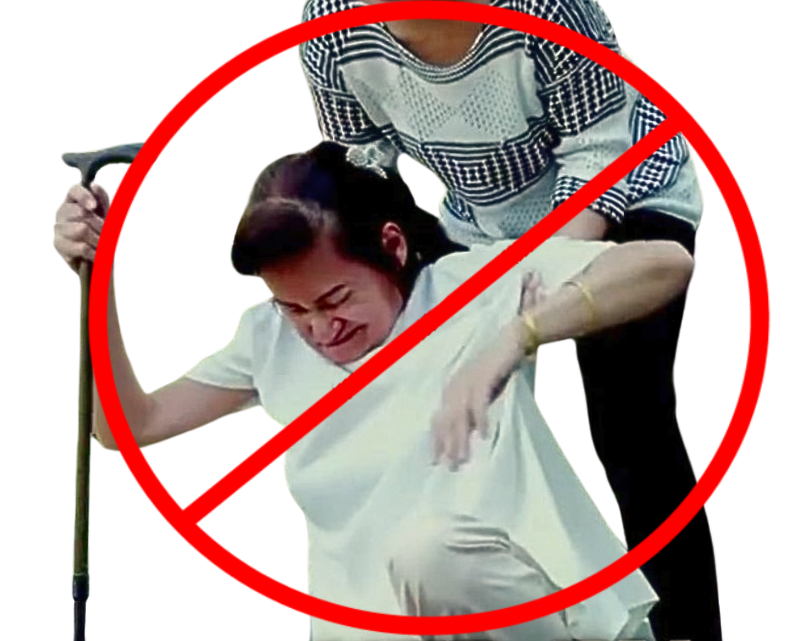
Caregiver manually assisting elderly person up from floor with cane highlighting difficulty and injury risk without lift assist device

WHAT IS A FALL RECOVERY DEVICE?

A fall recovery device is designed to:

  • Lift a person from the floor safely

  • Eliminate manual lifting

  • Reduce strain on responders and caregivers

  • Provide controlled, stable movement

Two men, one pushing a man in a gray outfit sitting on a blue leg press machine.

Modern devices are:

  • Mechanical or powered

  • Portable

  • Designed for one-person use

TYPES OF FALL RECOVERY DEVICES

Manual Methods (Outdated)
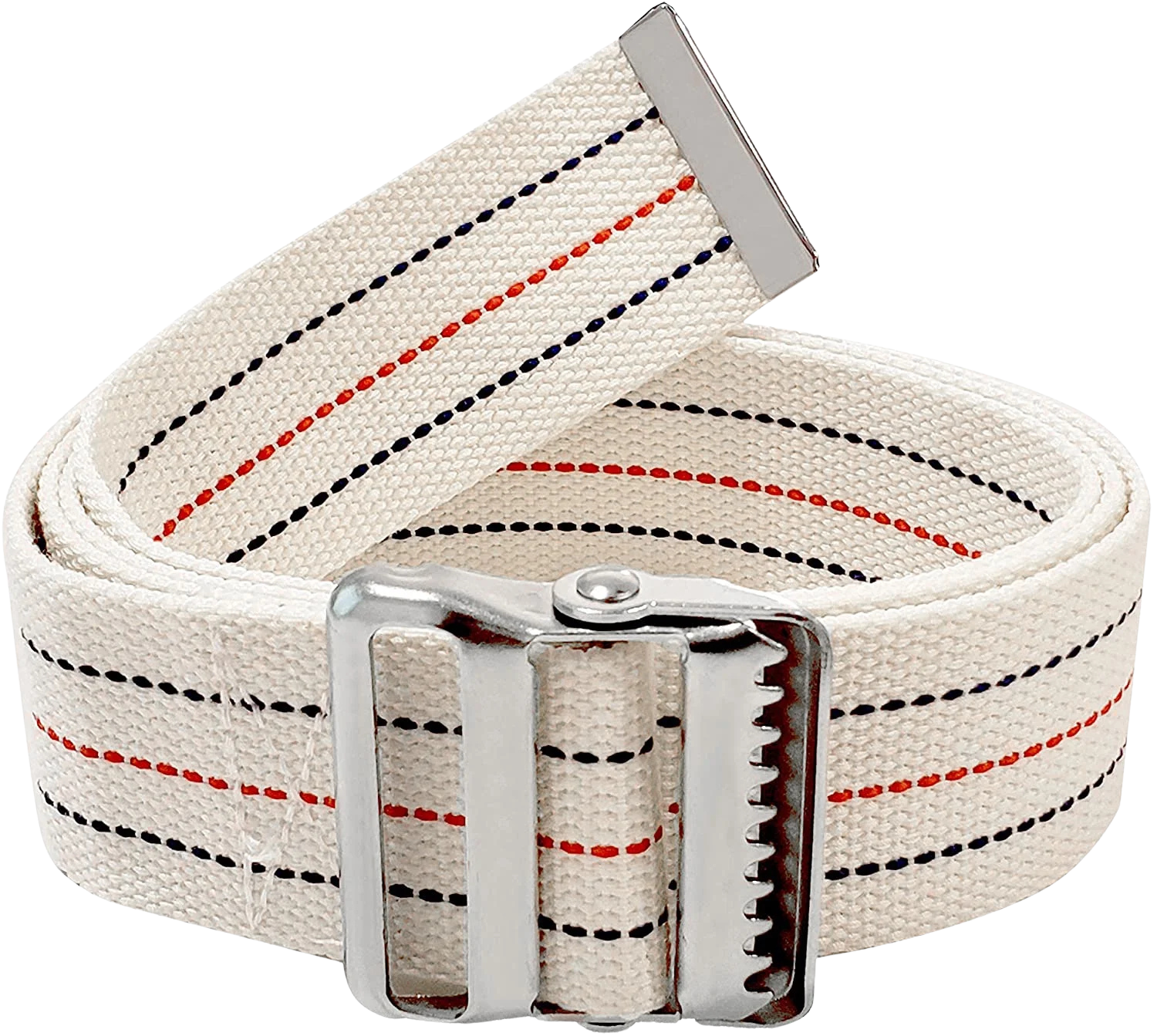
White fabric belt with black and red striped stitching and a metal buckle.
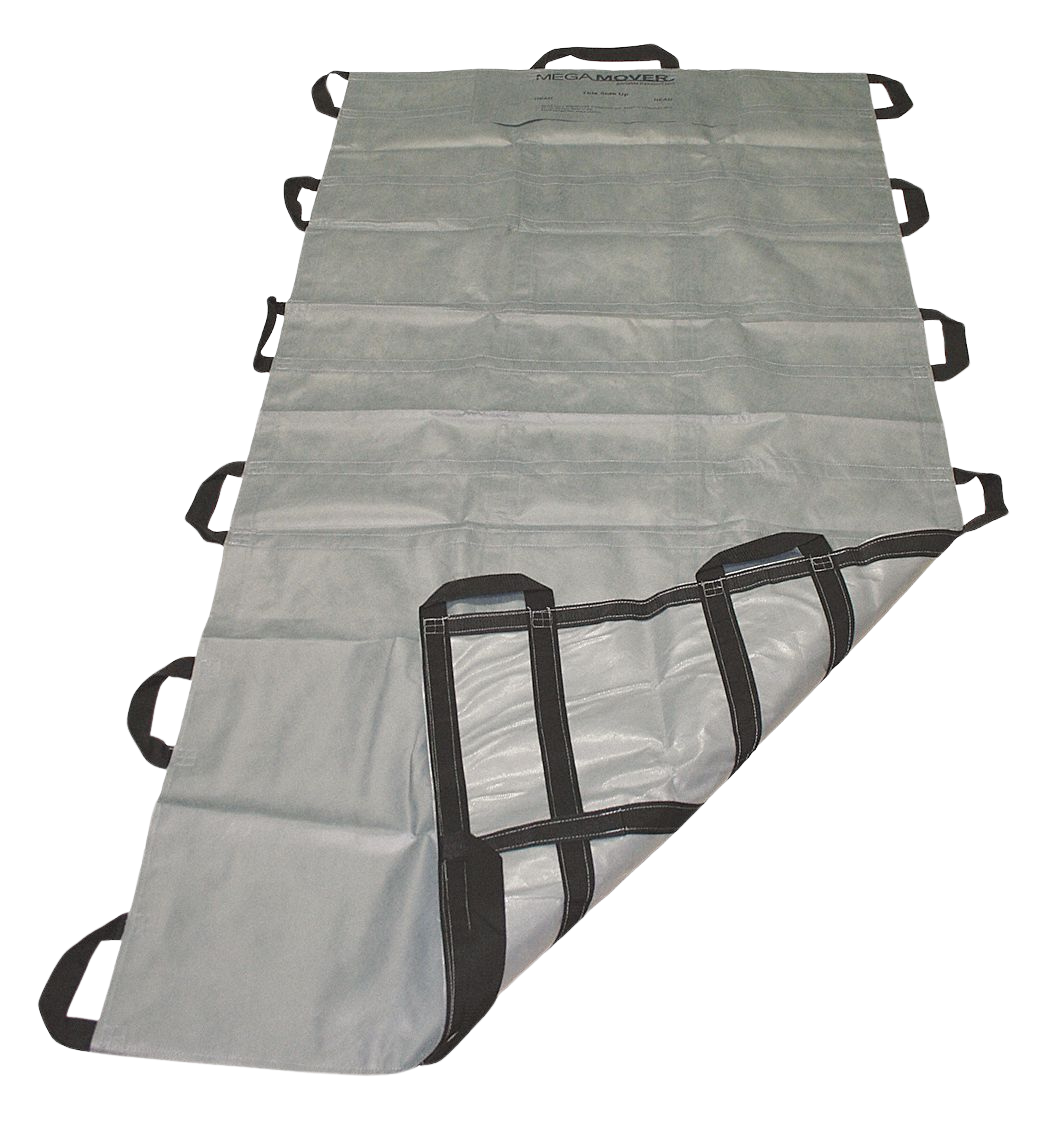
A large flat gray rescue stretcher with black handles and straps, labeled 'MEGA MOVER' at the top, designed for emergency patient transport.
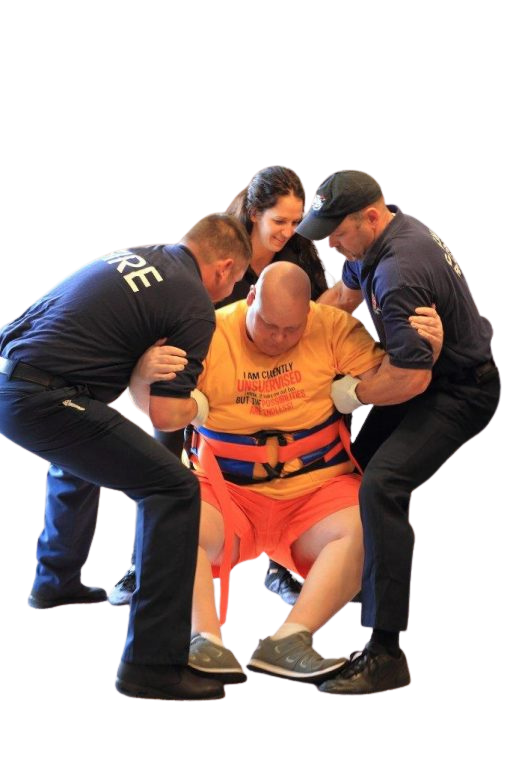
Emergency responders helping a person in a yellow shirt and red shorts into a rescue chair for evacuation.
  • Sheets

  • Gait belts

  • Multiple responders

‍ ‍Higher risk. Inconsistent. Unsafe.

Text listing features of a battery-powered device with green check marks: Designed for floor recovery, One-person operation, Battery-powered.

Traditional Patient Lifts

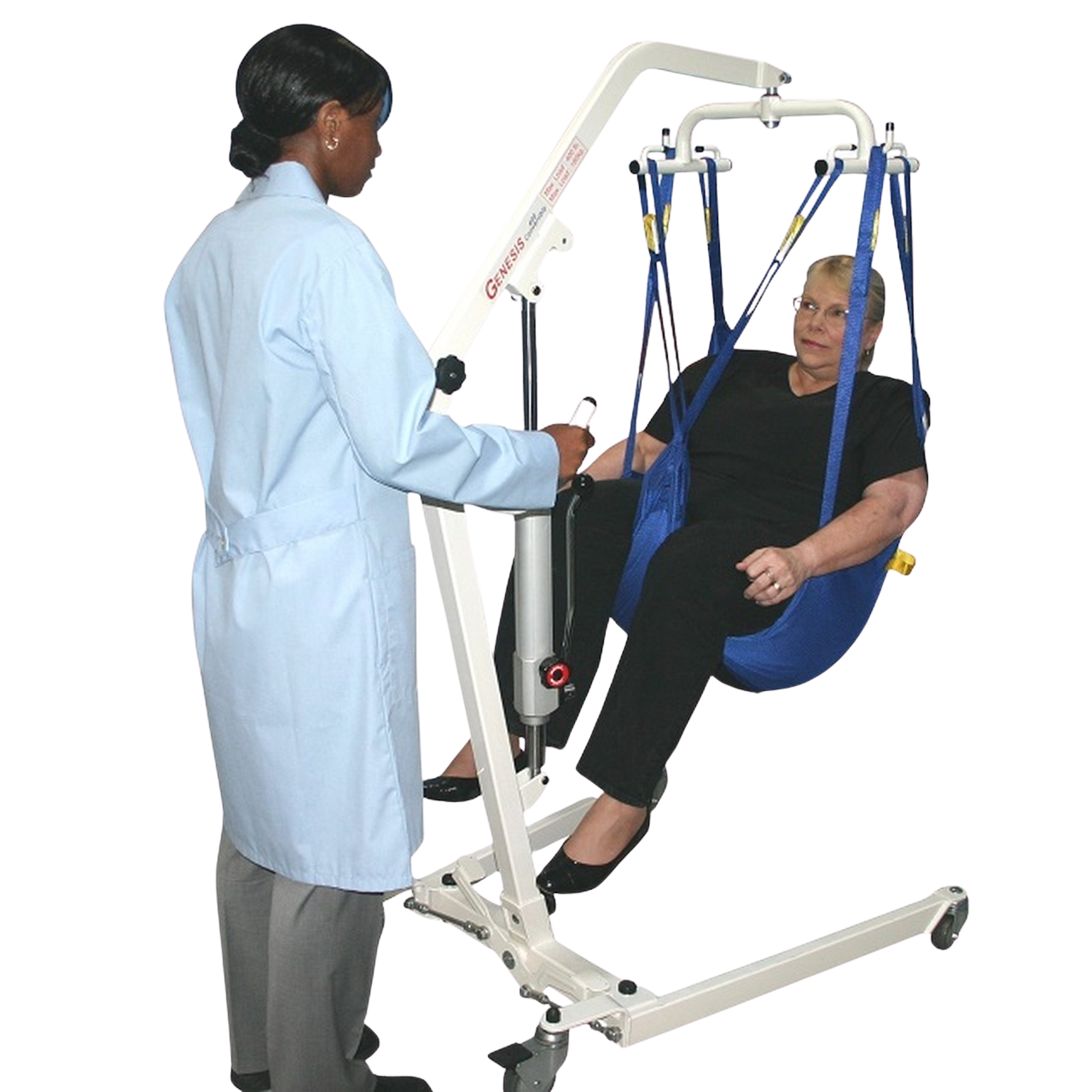
A healthcare worker in a white coat and gray pants operating a patient lift with an elderly woman seated in a blue sling chair.
  • Bulky

  • Unstable

  • Require multiple operators

‍ ‍Not designed for rapid deployment

Two transparent glass awards with blue accents, engraved with '2023 EMS WORLD INNOVATION AWARD WINNER' and 'INVA-LIFT Lift Chair'.

Portable Floor Lift Chairs (Modern Standard)
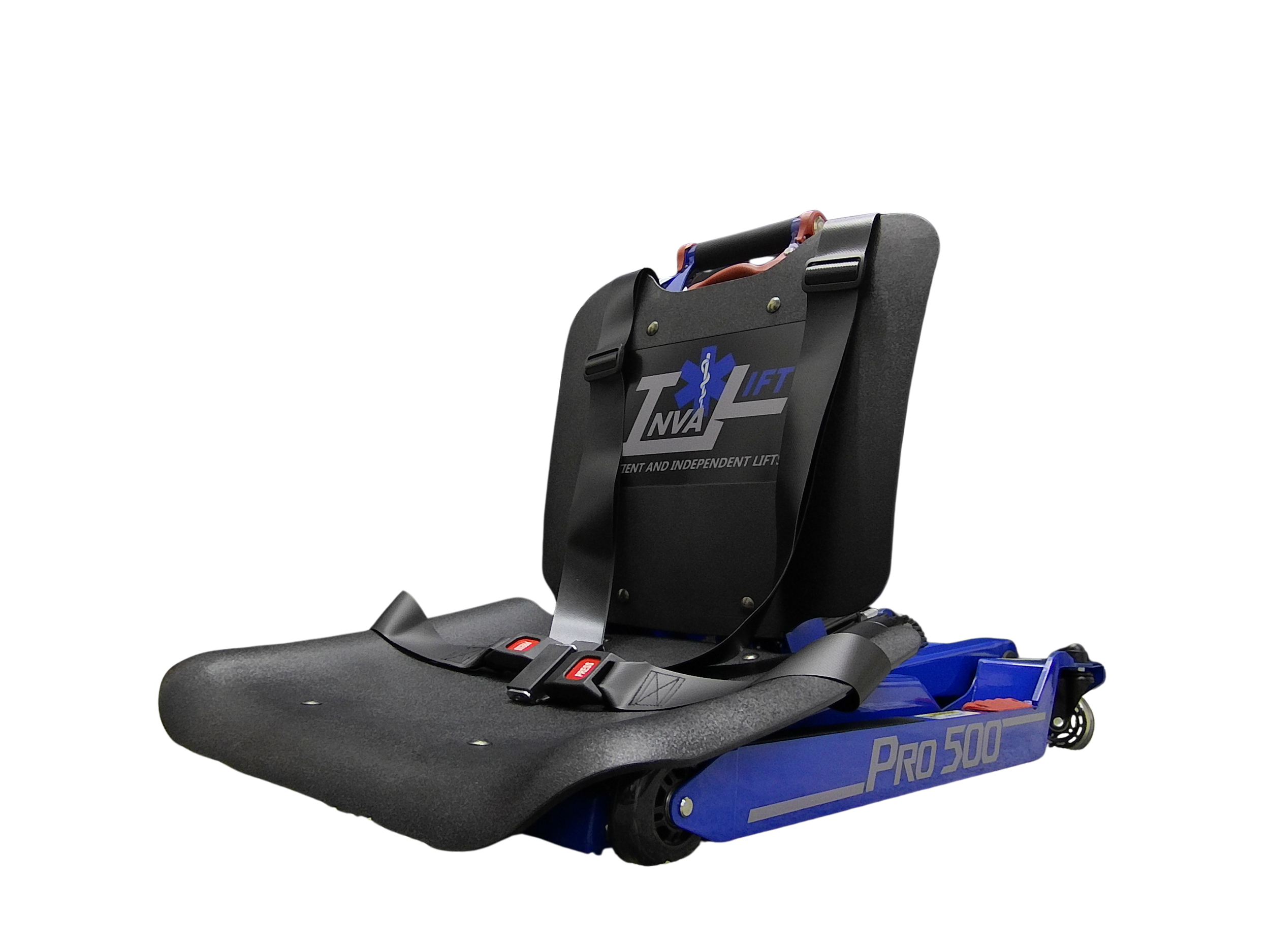
A blue and black portable stair lift with the label 'Pro 500' on its side, featuring a seat with safety belts and a backrest, used for aiding mobility.

No strain. No guesswork. No risk.

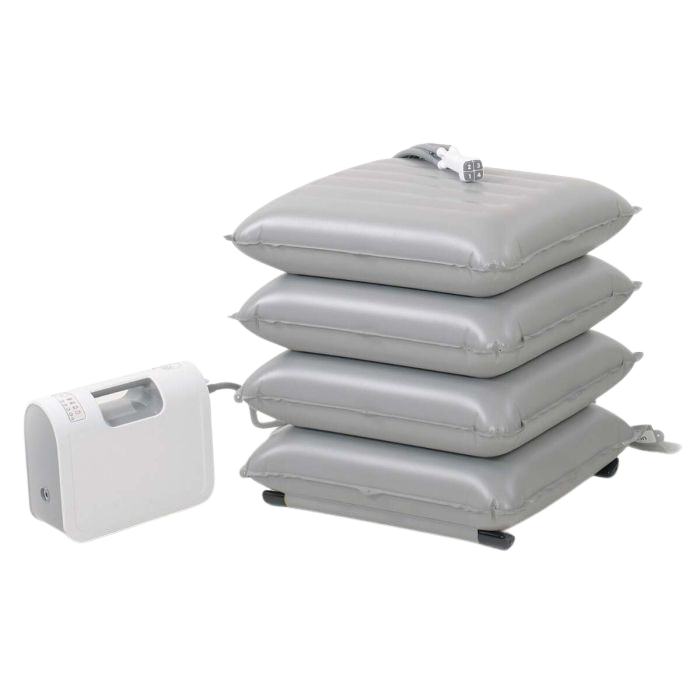
A set of four deflated air mattresses stacked on top of each other, with a small electric pump to the left, and the mattresses connected by an air hose. The background is white.

WHO USES FALL RECOVERY DEVICES

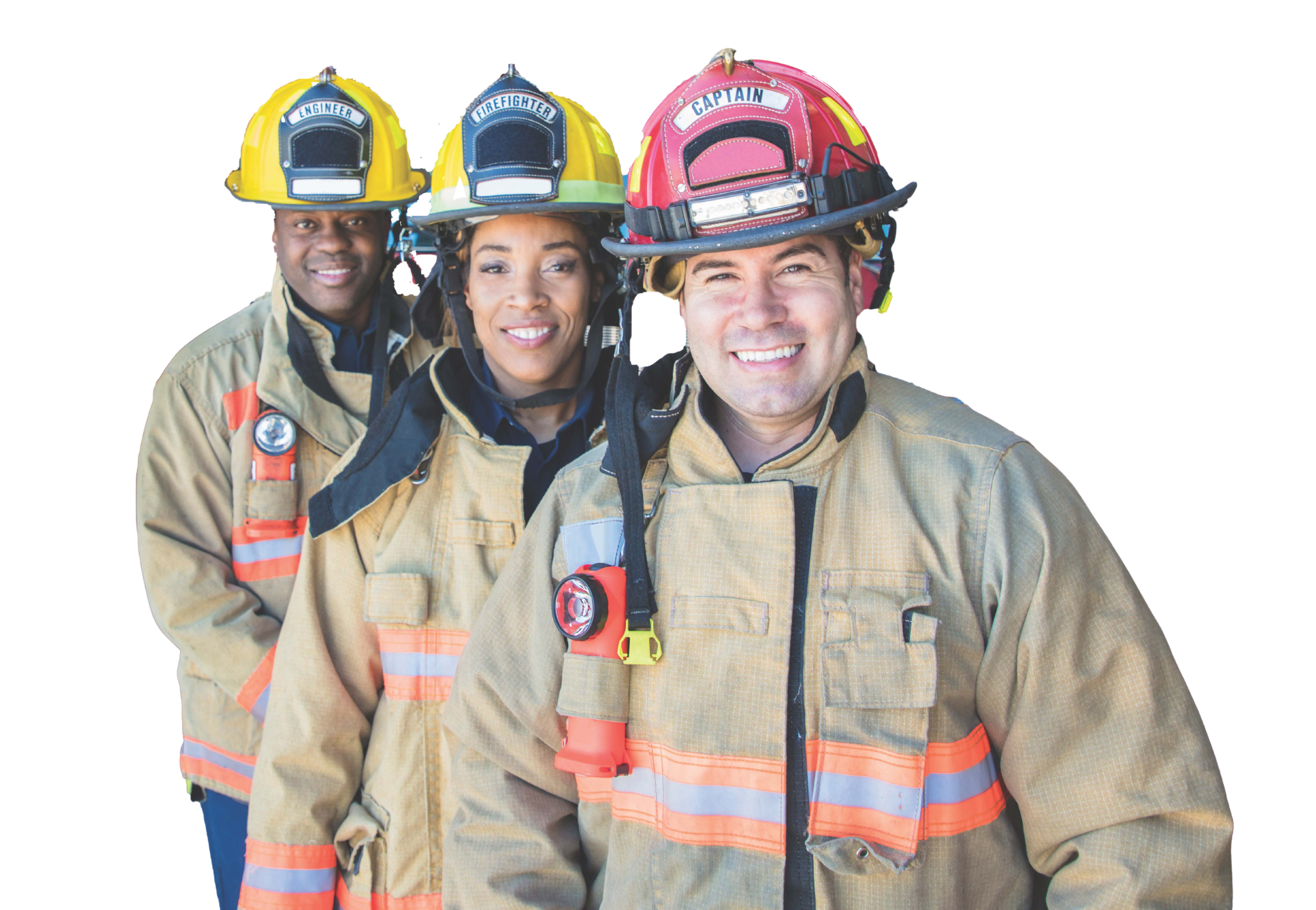
  • Fire Departments

  • EMS Agencies

  • Assisted Living Facilities

  • Nursing Homes

  • Hospitals and Rehab Centers

  • Home Care Providers

Across all these settings, the goal is the same:

Lift safely. Protect staff. Preserve dignity.

WHY MANUAL LIFTING IS BEING REPLACED

Manual lift assists are:

  • Labor-intensive

  • Injury-prone

  • Inefficient

Organizations are shifting toward Mechanical, powered solutions because:

  • Fewer injuries

  • Faster response

  • Better outcomes

THE FUTURE OF FALL RECOVERY

The industry is moving toward:

  • One-person lift solutions

  • Portable equipment

  • Zero manual lifting policies

The Inva-Lift Pro 500 is at the center of this shift.

KEY FEATURES TO LOOK FOR

When choosing a fall recovery device, look for:

  • High weight capacity (bariatric capable)

  • One-person operation

  • Portability

  • Battery-powered function

  • Stability and safety

  • Ease of cleaning and storage

The Inva-Lift Pro 500 was built around these exact needs.

What is the best fall recovery device?
The best fall recovery device is one that eliminates manual lifting, supports high weight capacity, and allows safe one-person operation.

How do you lift an elderly person from the floor safely?
Using a mechanical lift assist device designed for fall recovery is the safest method.

Do fire departments use lift assist devices?
Yes, many are adopting portable mechanical lift devices to reduce injuries and improve efficiency.