We Didn't Study the Problem. We Lived It.
- 1997 Joins the fire service at 18
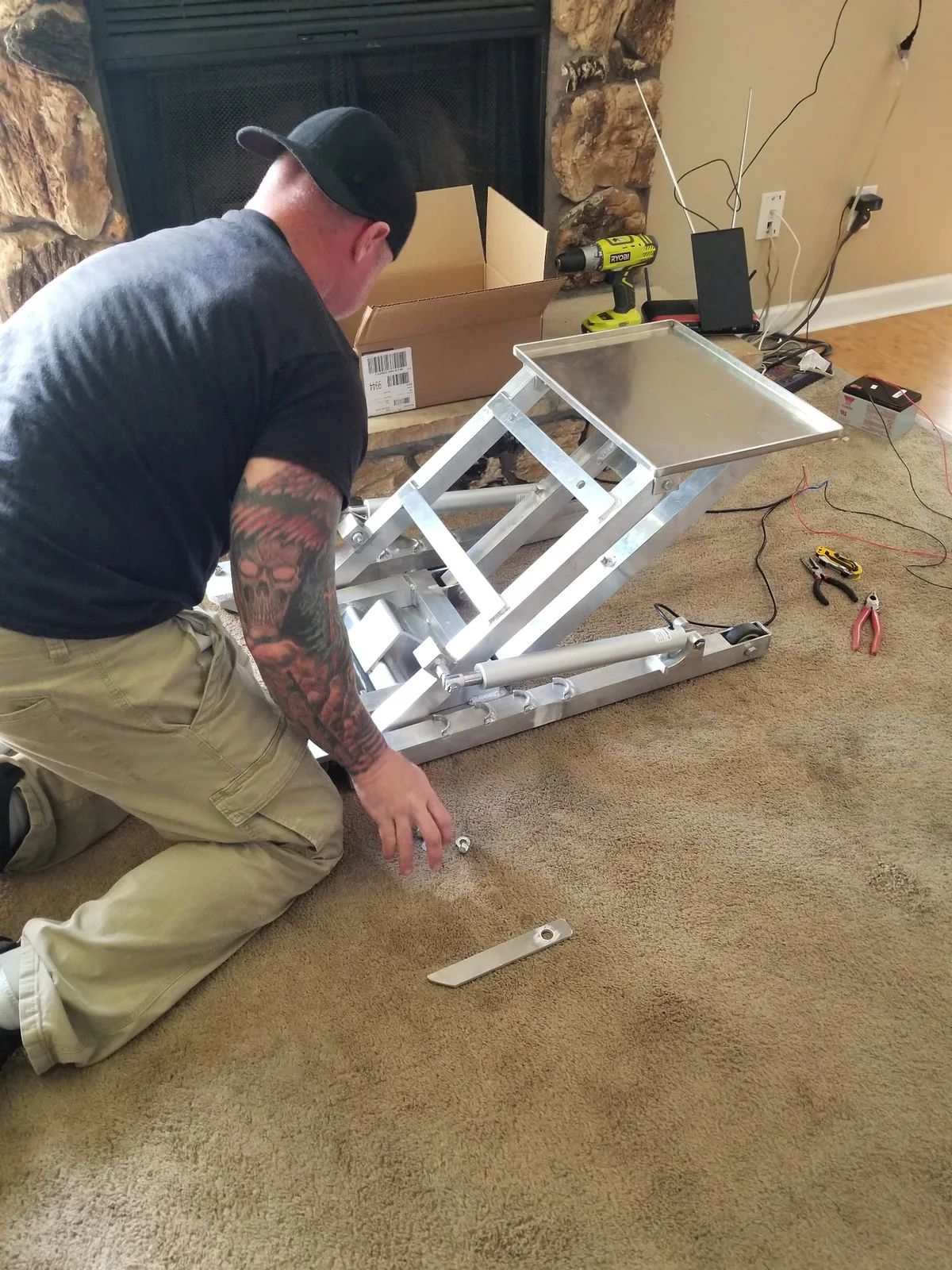
- Prototype First aluminum build in the garage
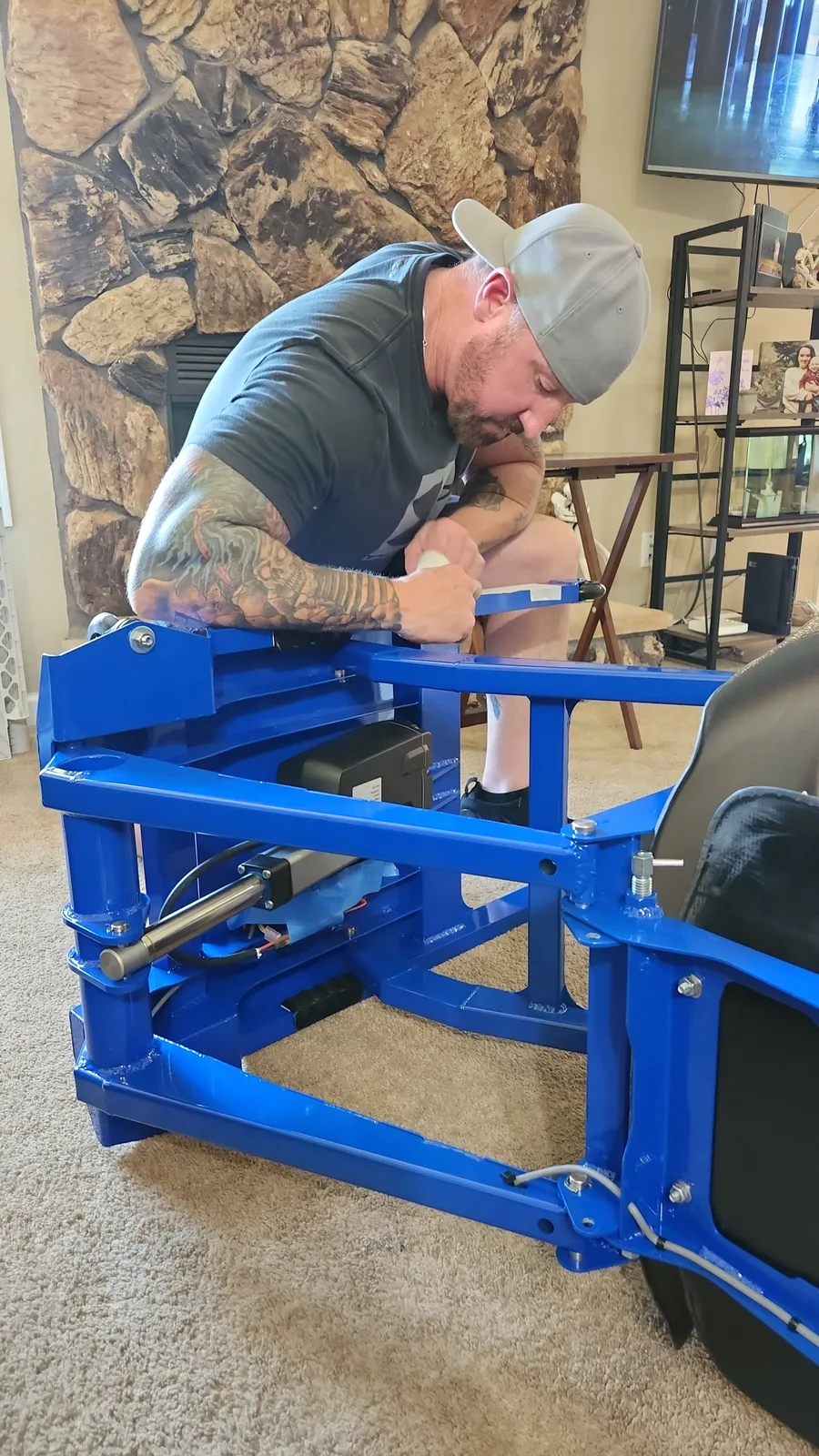
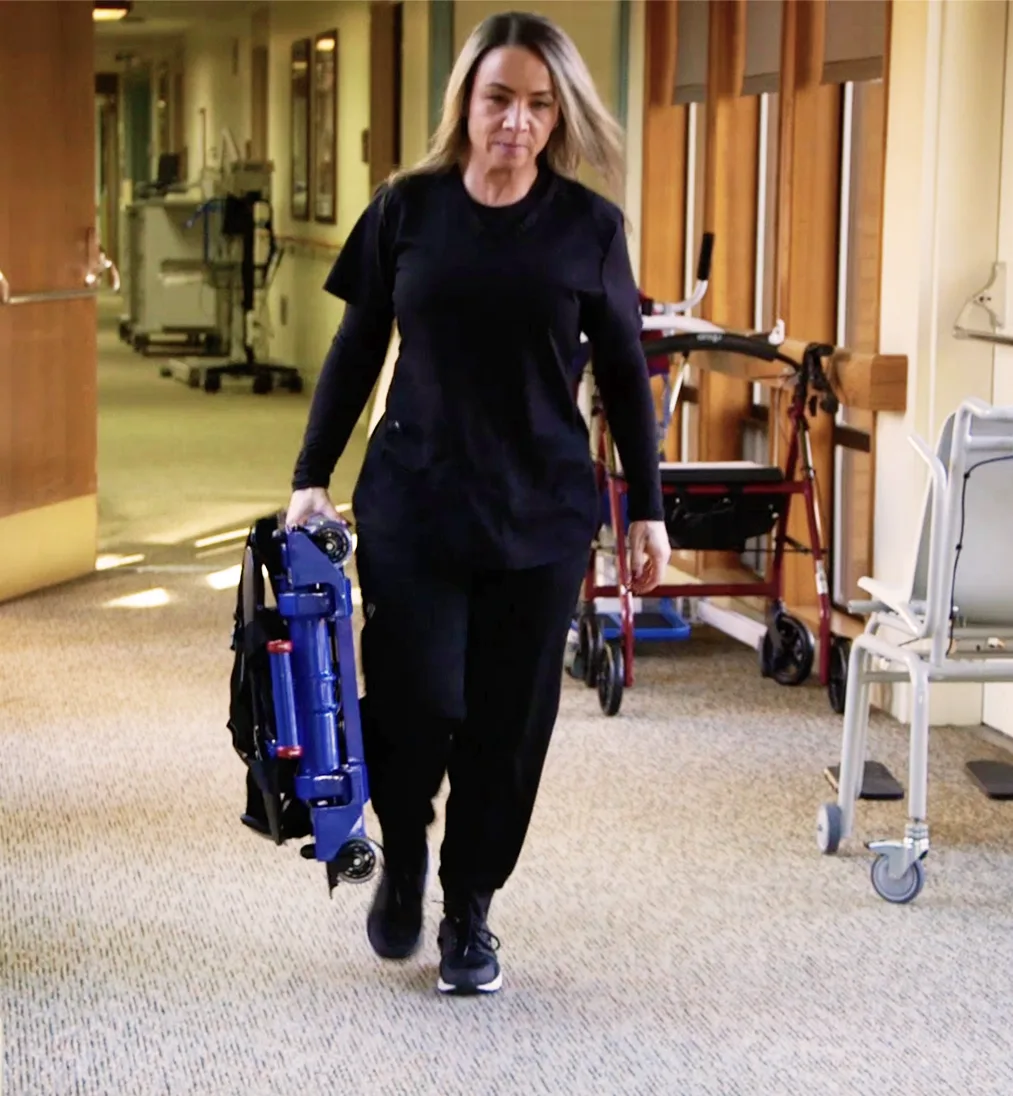
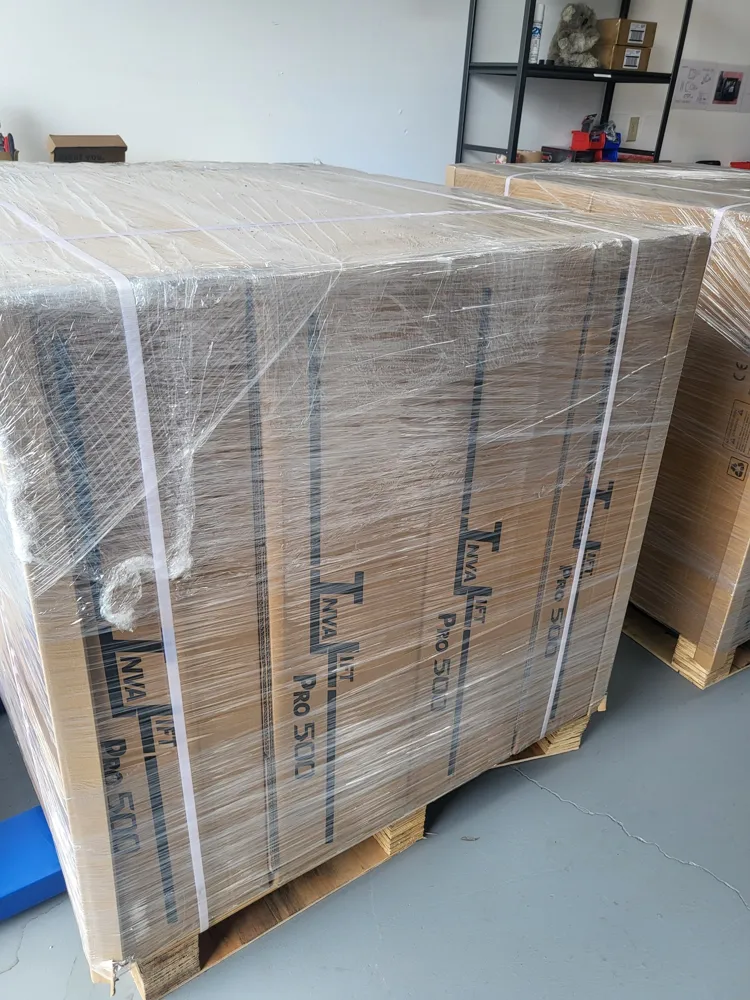
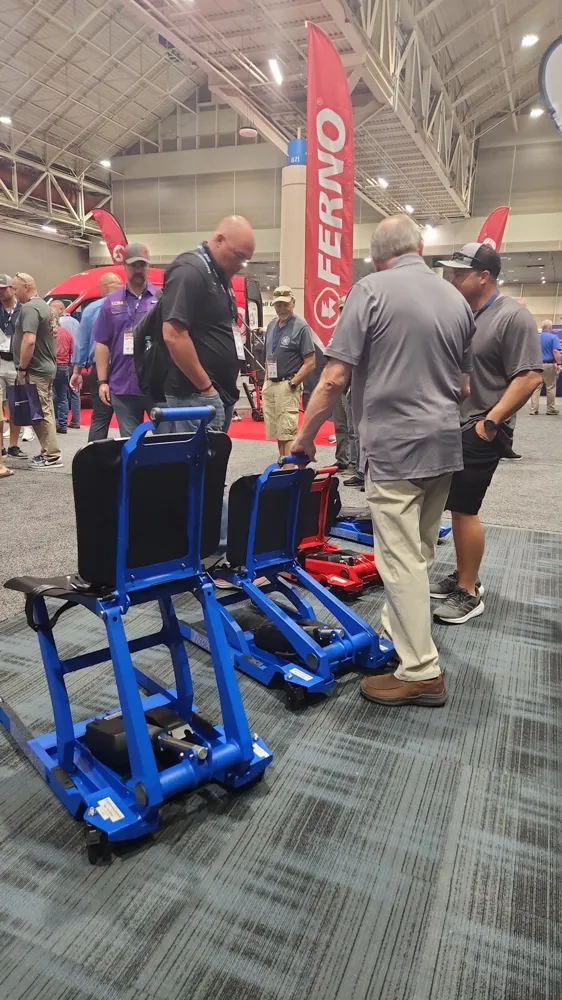
- Production The blue frame takes shape
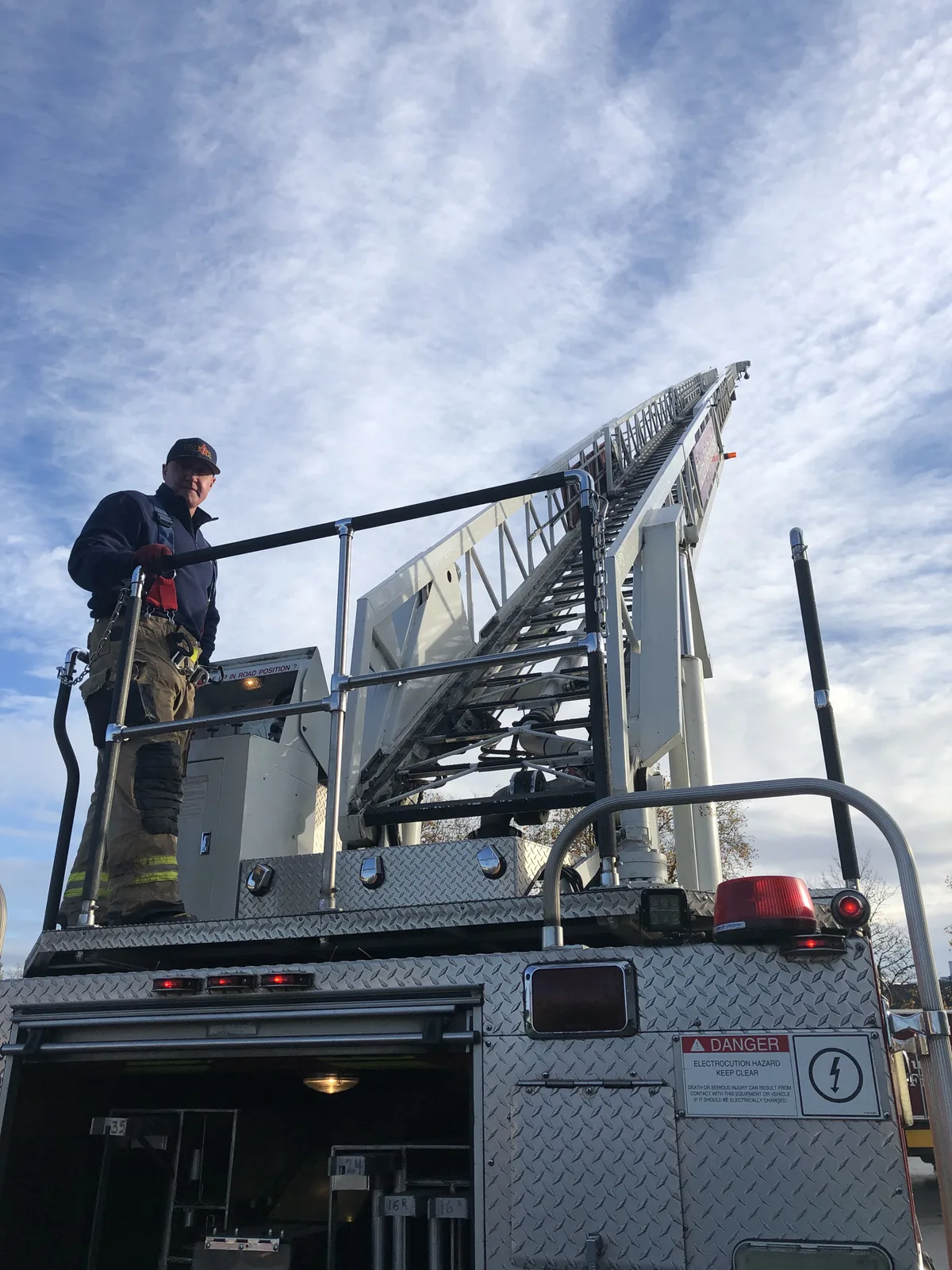
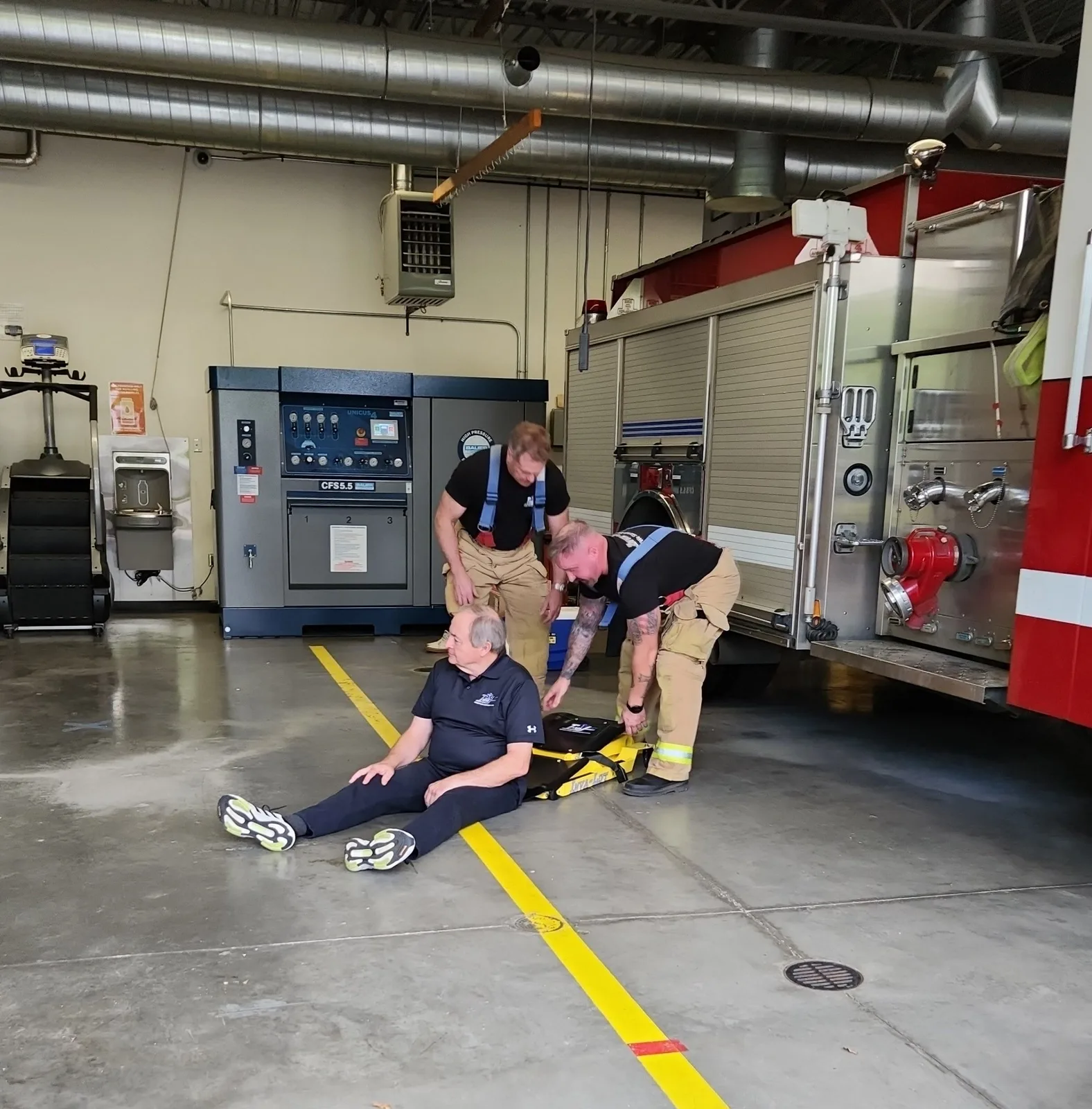
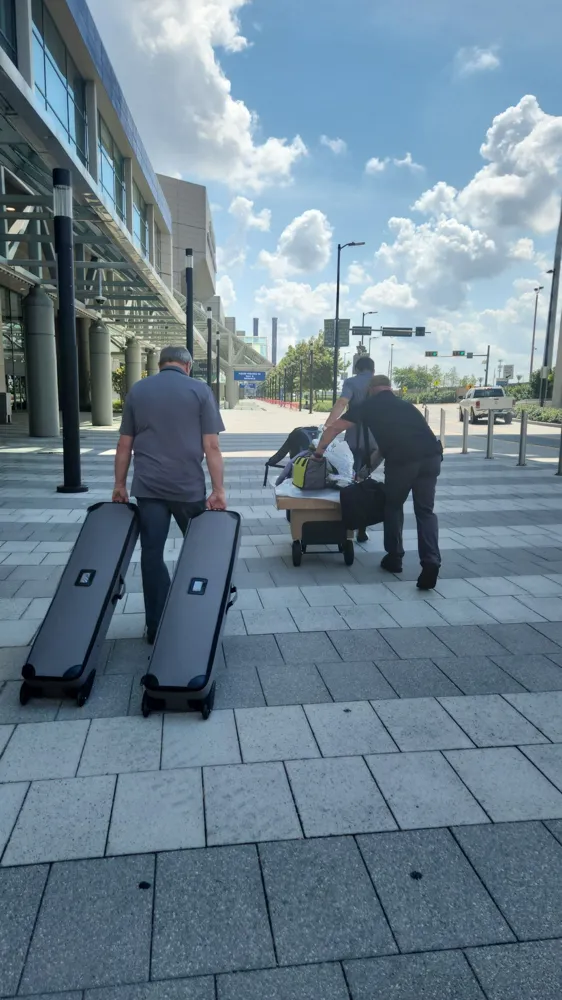
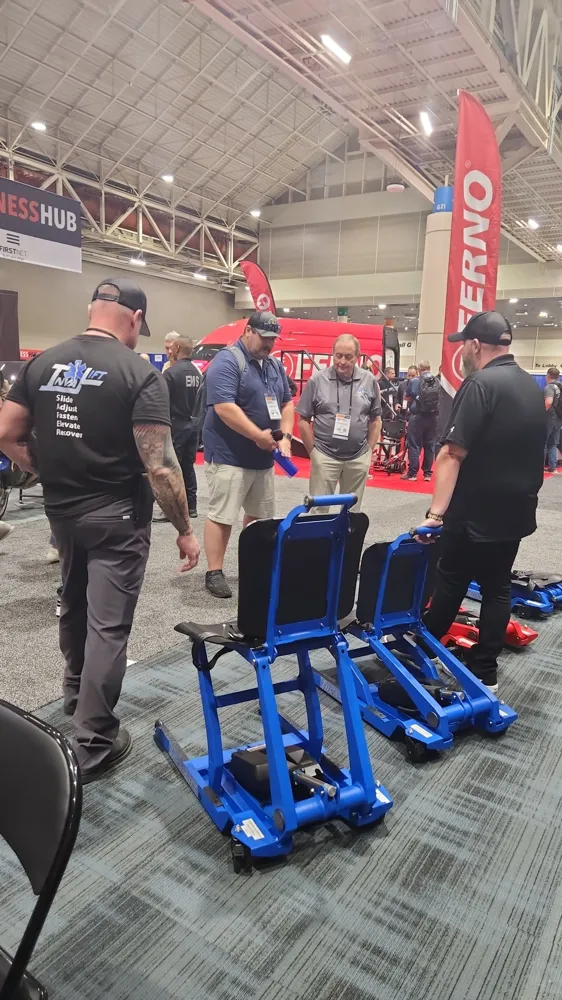
- Field tested Demonstrated with fire crews
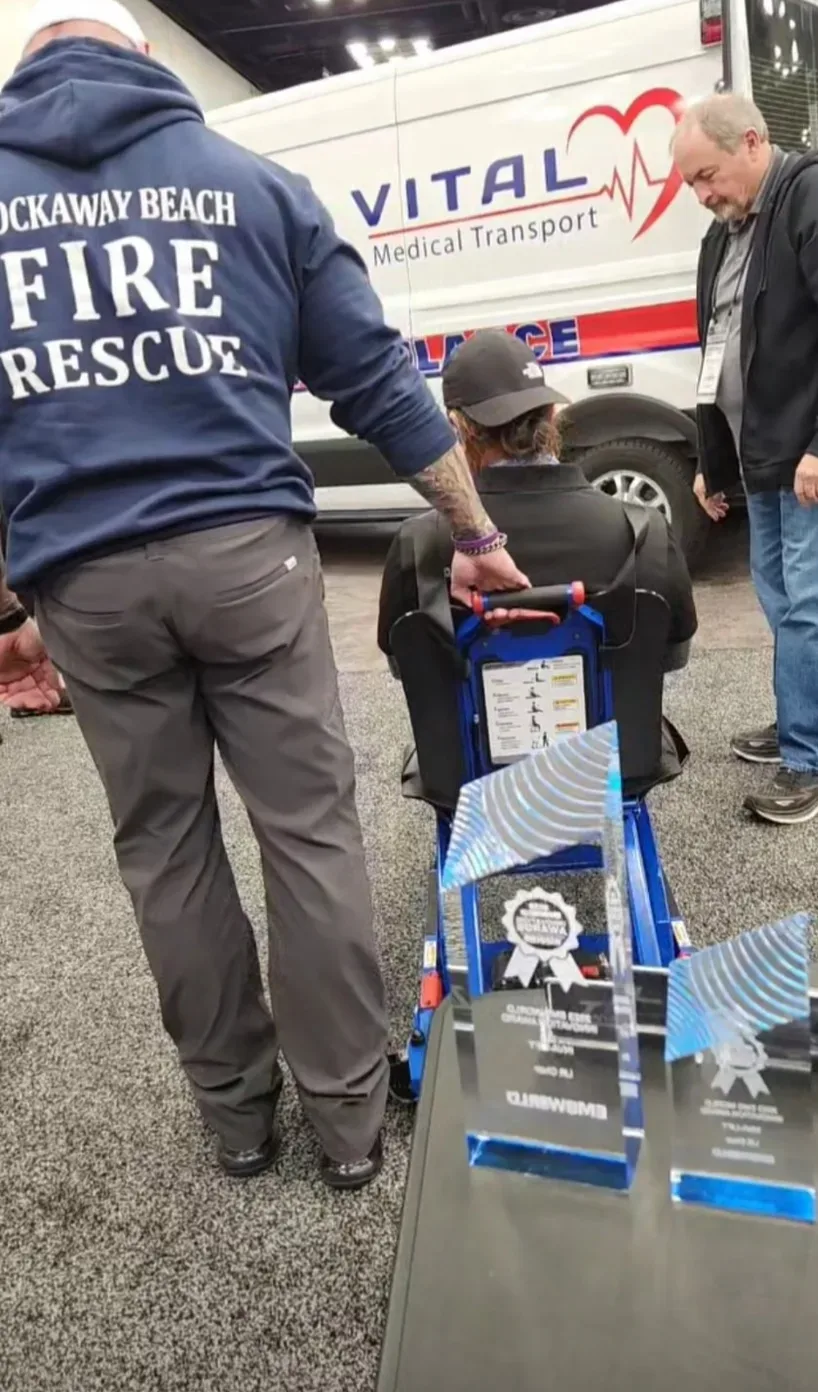
- Today EMS World Innovation Award winner
Inva-Lift was built by first responders, safe patient handling professionals, engineers, and caregivers who understand the realities our customers face because we have lived them ourselves. We have run the calls. We have lifted patients from bathroom floors and tight spaces. We have watched staffing get stretched thinner while the physical demands placed on responders and caregivers continue to grow. And at home, we have experienced the other side of that call: the side of the family watching someone they love fall and realizing how difficult, frightening, and undignified getting them safely back up can become.
For our founder, that last part became deeply personal when his mother was diagnosed with Alzheimer's disease and began experiencing ground-level falls at home. After a career in the fire service, he already understood what repeated manual lifting was doing to first responders. Now he was seeing the same problem through the eyes of a son and family caregiver. The people on the floor deserved better. The people helping them deserved better. The Inva-Lift Pro 500 was born from that necessity, not from an assumption about what the industry needed, but from firsthand experience with a problem that needed a better solution.
Why Inva-Lift exists
Inva-Lift is veteran and first responder owned and operated, and we haven't forgotten where we came from. We're not here simply to manufacture medical equipment. We're here to help change the way people are recovered from the floor and to protect the responders and caregivers who have spent far too long putting their own bodies at risk to help someone else. Because when we talk about protecting your crews, your staff, your residents, your patients, and your families, we're talking about our people too. Our mission is simple: help those who spend their lives taking care of others go home healthy, stay in the careers they love, and someday enjoy the retirement they've earned.
We are not designing for our customers. We design with them, because we are them.
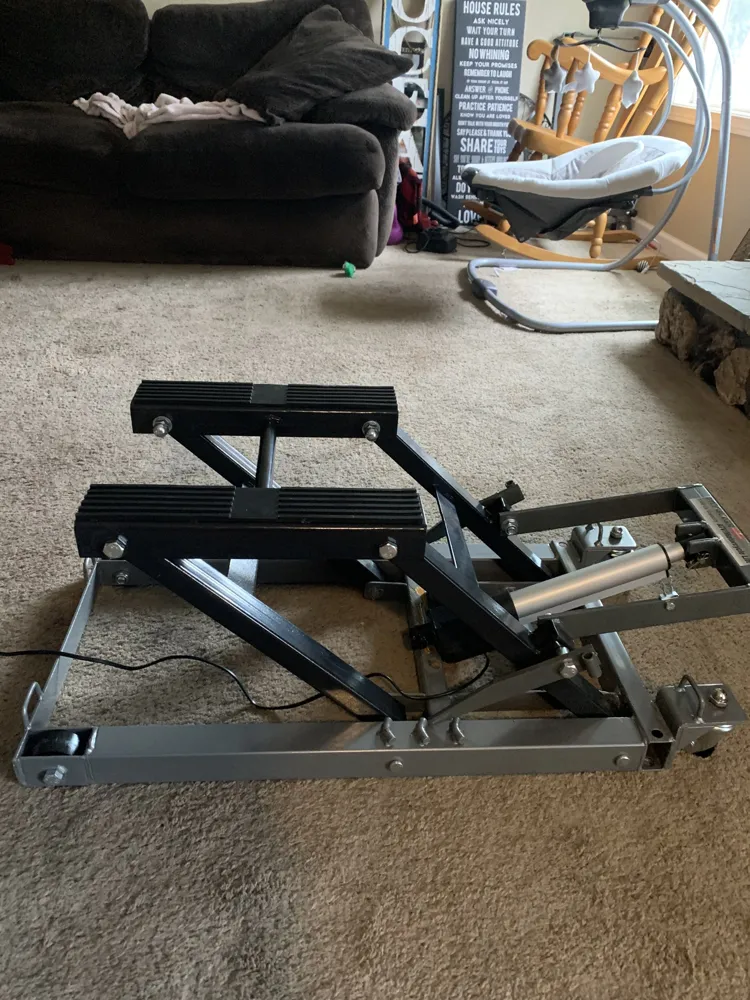
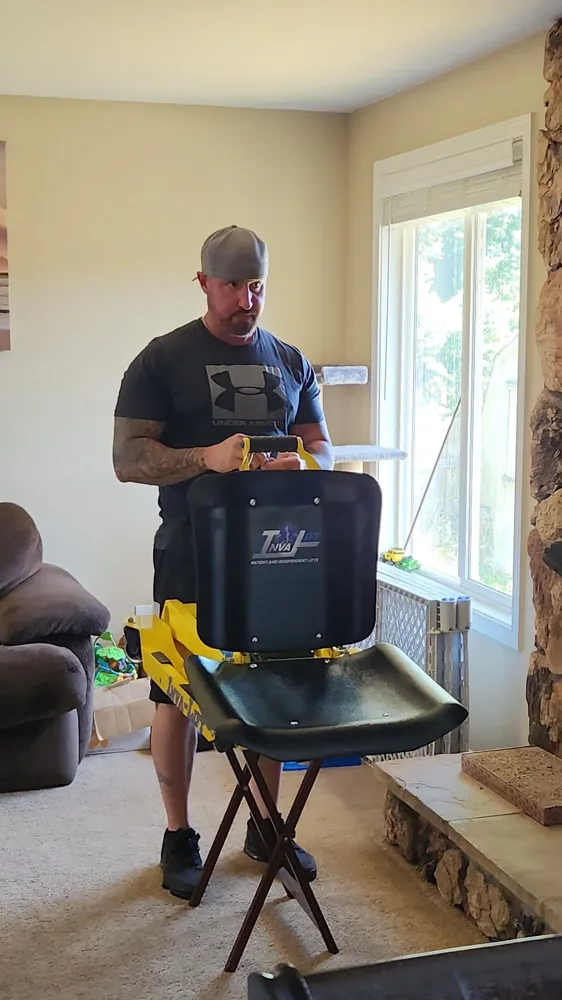
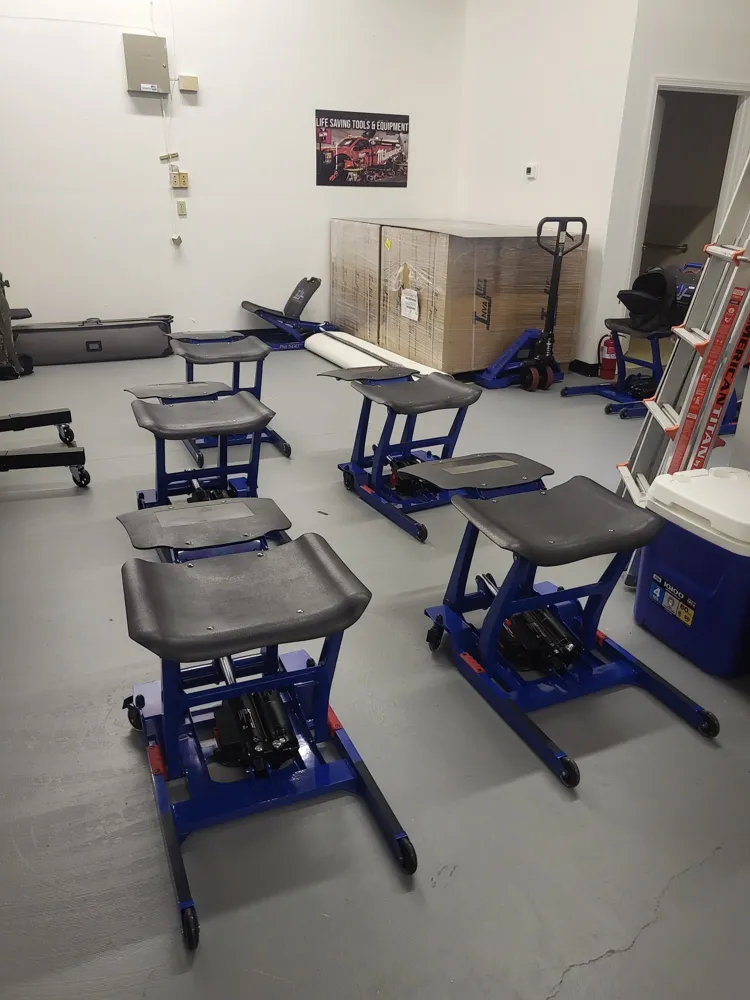
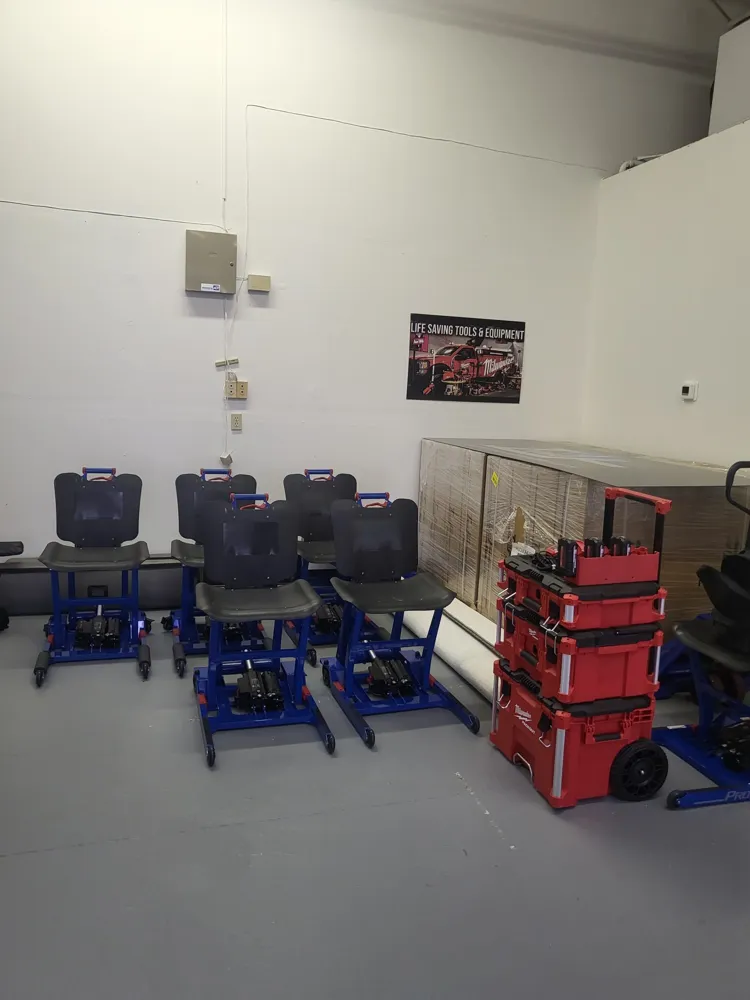
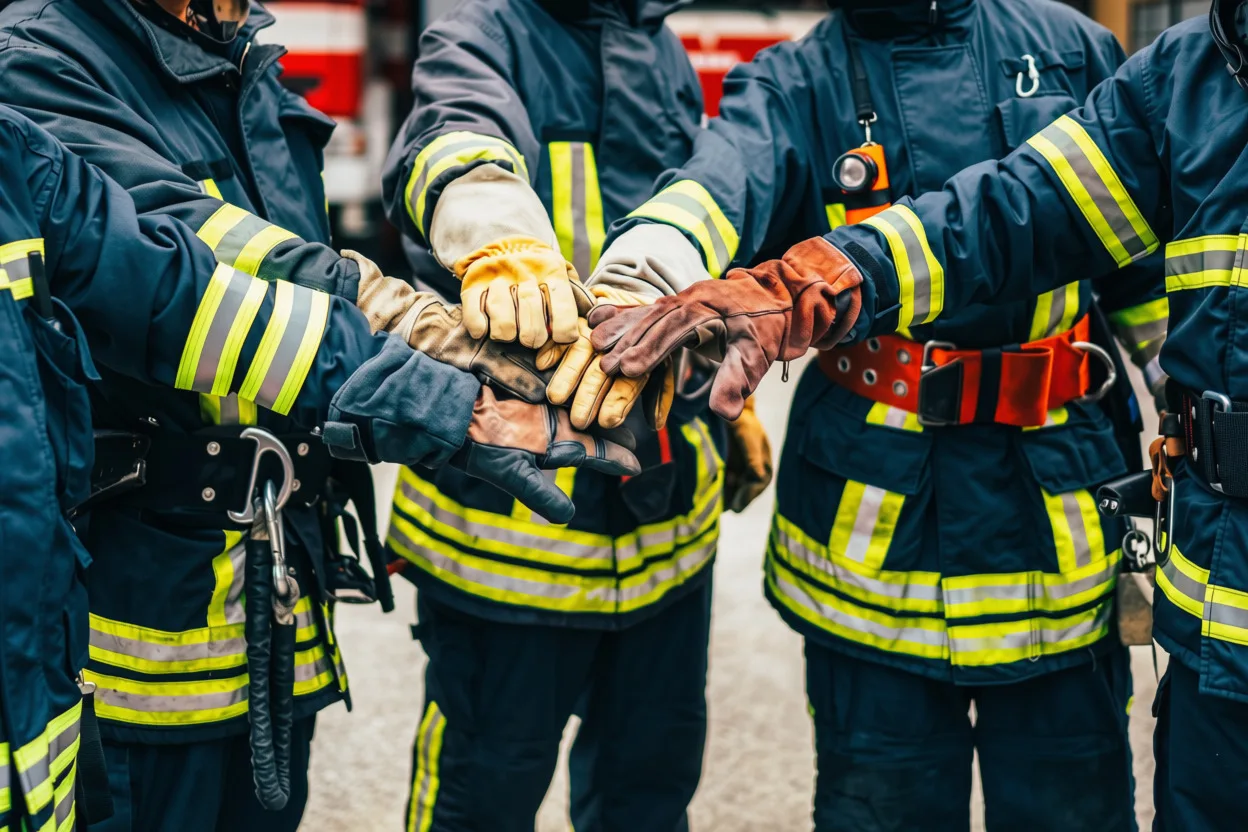
Frontline partnership
That experience still drives how we operate today. We listen before we build. Our products and protocols are shaped by the people doing the work: firefighters, EMTs, paramedics, nurses, caregivers, safe patient handling professionals, and families. Engineering matters. Technology matters. But neither matters if the solution doesn't work at 2:00 in the morning, in a cramped bathroom, beside a resident's bed, or wherever someone has fallen and needs help getting safely back up. We believe meaningful innovation starts on the front line, where problems happen, and ends with equipment that makes the people doing the work safer, more effective, and more efficient.