Raising the standard for fall recovery
No Strain. No Guesswork. No Risk.
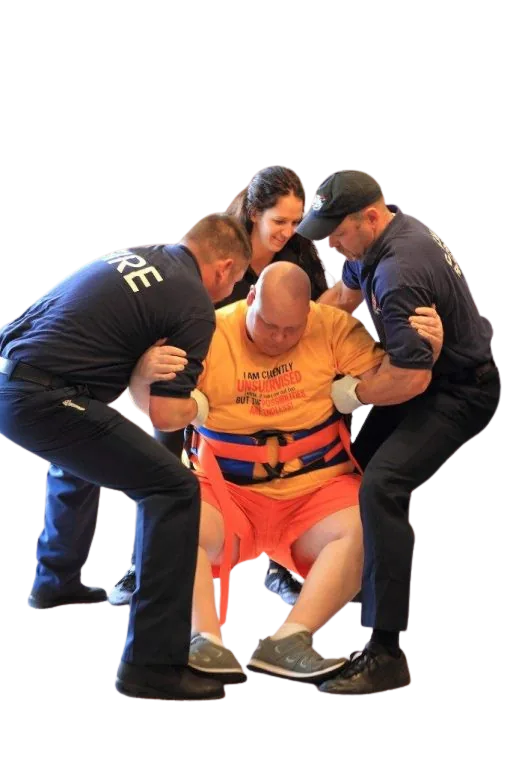
For decades, first responders, healthcare workers, and caregivers have manually lifted and transferred patients. These practices are typically improvised on the spot, seldom measured, and end more careers than any single call type. The fix is not better technique. The fix is more customer-focused innovation. The fix is products built from experience, not assumption. The fix is Inva-Lift.
Your volume and hourly cost drive the labor figure directly; published claim-frequency ranges for manual patient handling drive the injury figure. An estimate, not a quote. Your rep builds the verified number with you.
A SAFER lift every time
The SAFER lifting model is Inva-Lift's structured approach to safer fall recovery, designed to reduce unnecessary manual lifting and the risk of injury to both the person who has fallen and those assisting them.
 1997
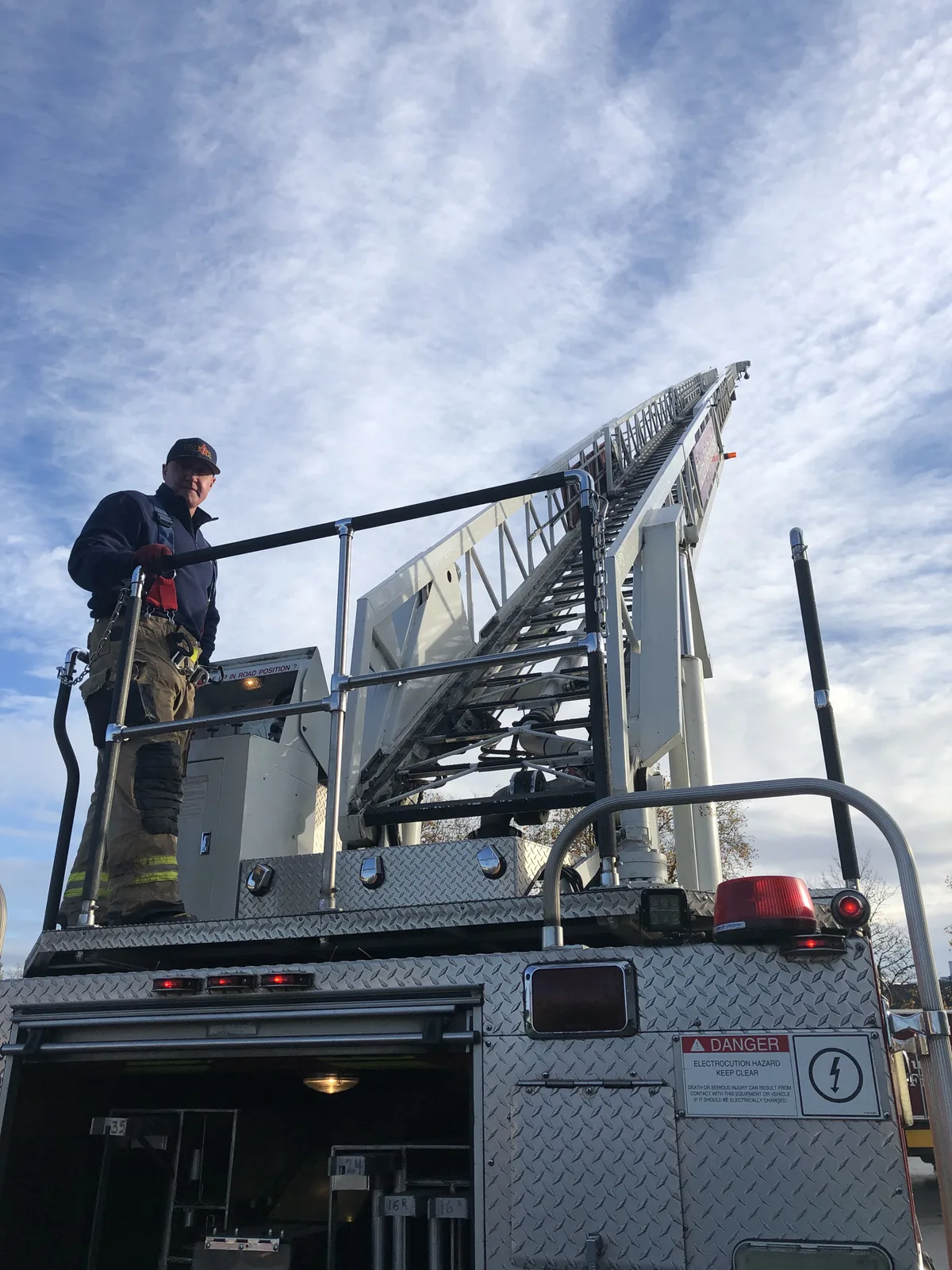
1997 3 decades of emergency response and we still didn’t have a solution.
 Today
Today 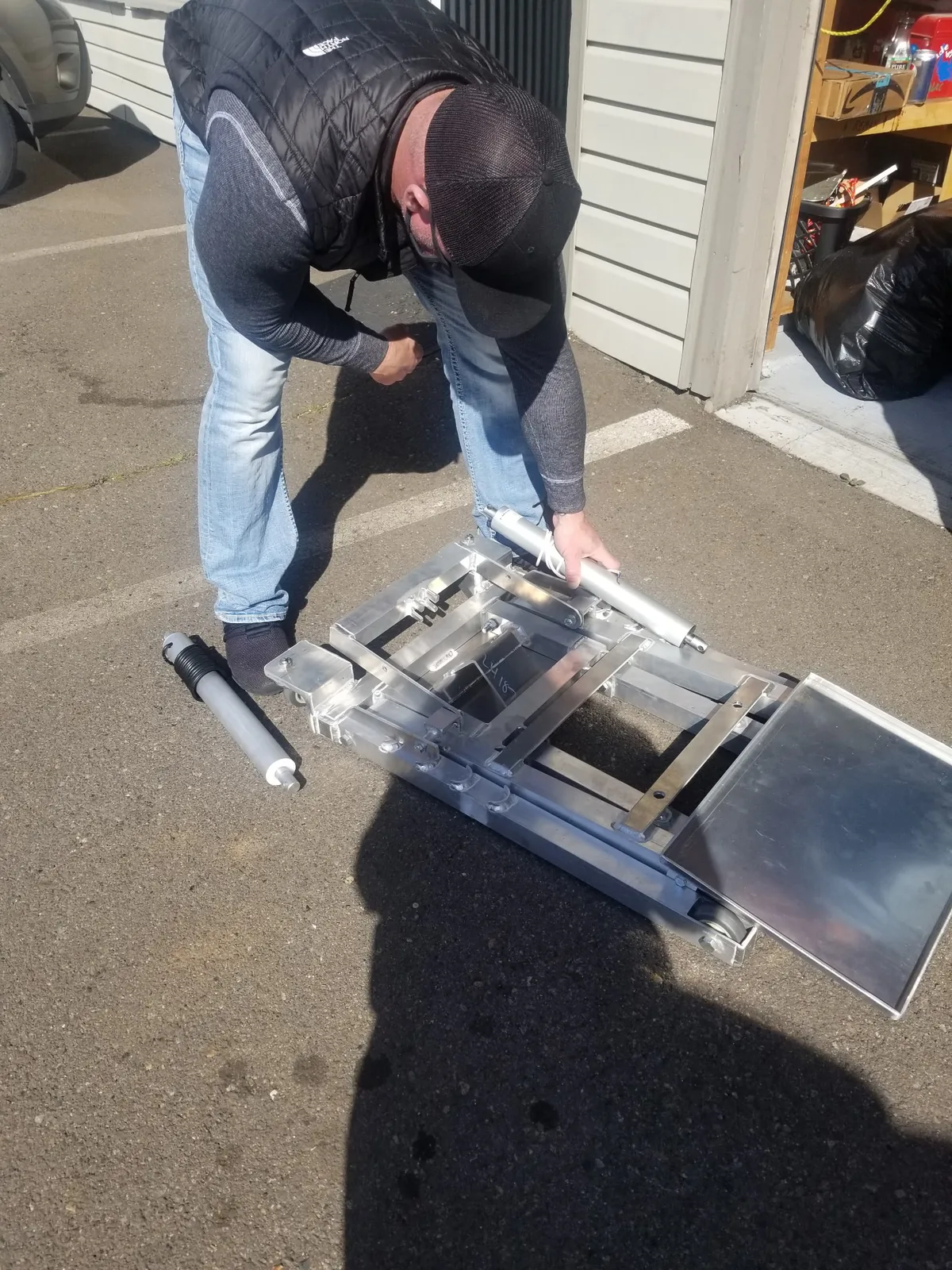
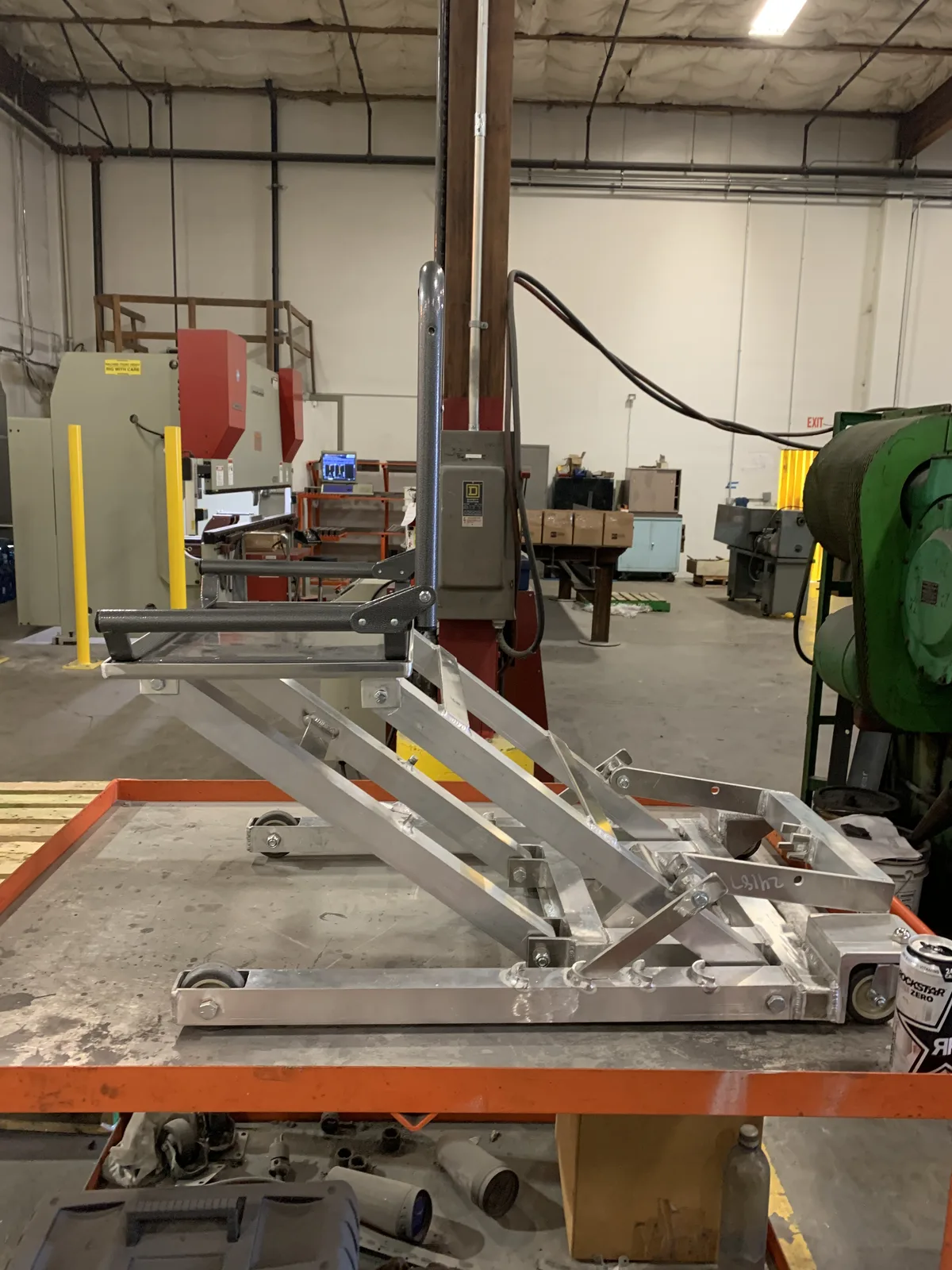
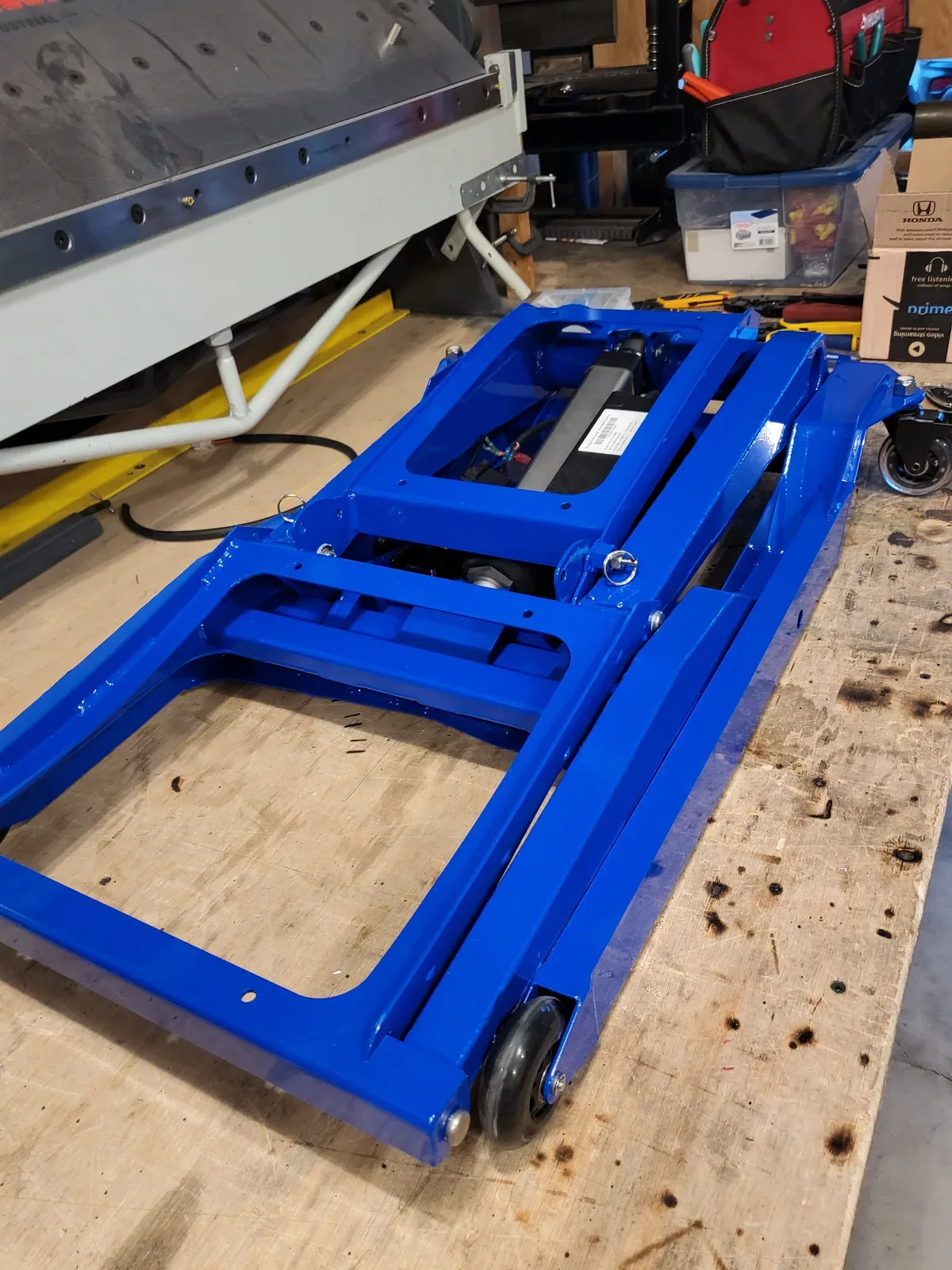
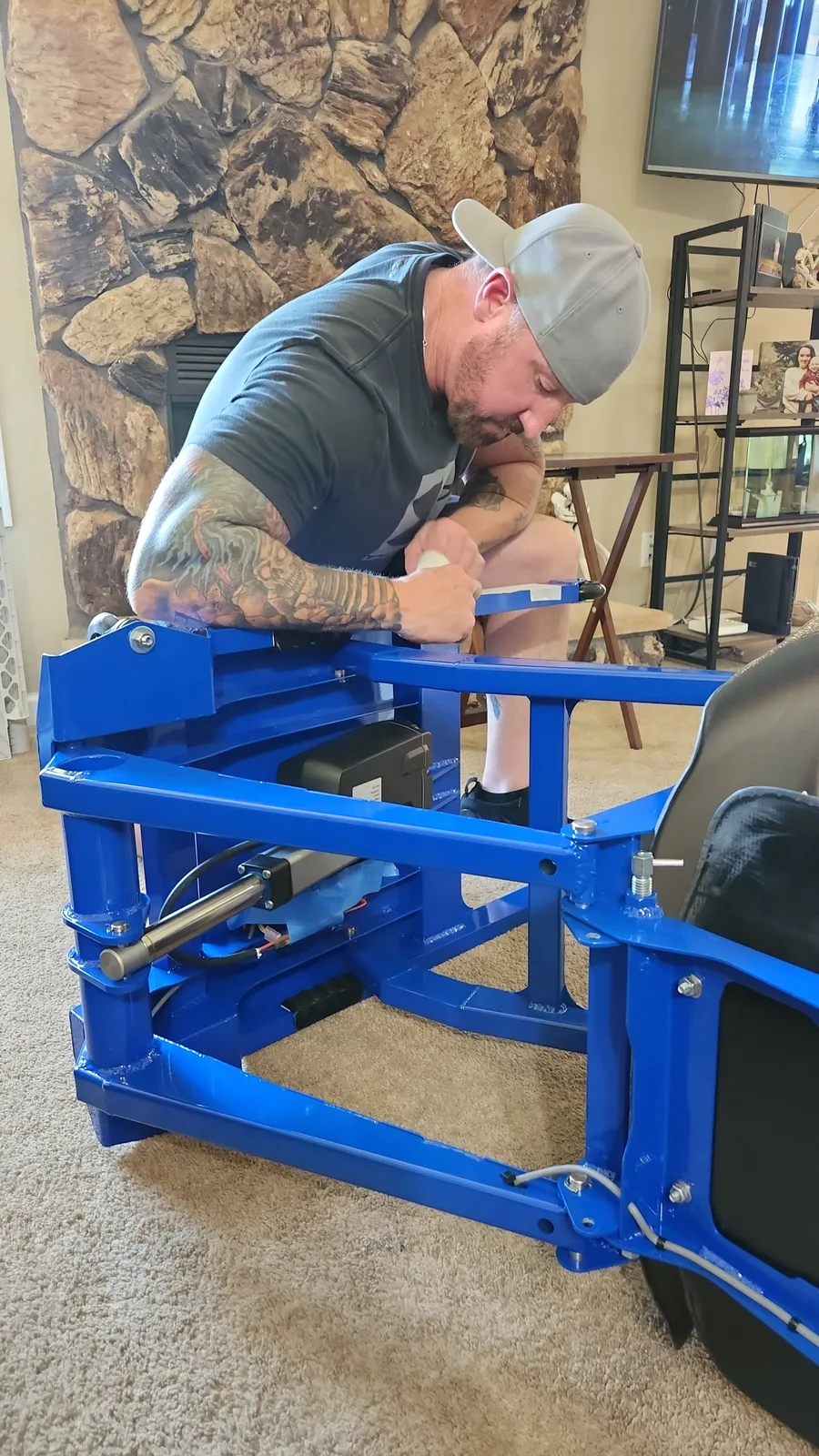
My journey in the fire service began in 1997 at the age of 18. Back then we lifted patients with rigid stretchers, pulling on limbs, and I remember a salvage cover being used on more than one occasion. When I left the line in 2022 our lift assist protocol consisted of a couple different straps (not even sure where they were on the rig) and a "figure it out" approach.
Over the last quarter century, the fire service and EMS have witnessed amazing strides in innovation from turnout gear and the equipment we use fighting structure fires to the way we diagnose and treat patients in the field. The last decade has brought us powered lifting/loading gurneys as well as powered stair solutions, but one problem remained, and it was the one causing us most injuries.
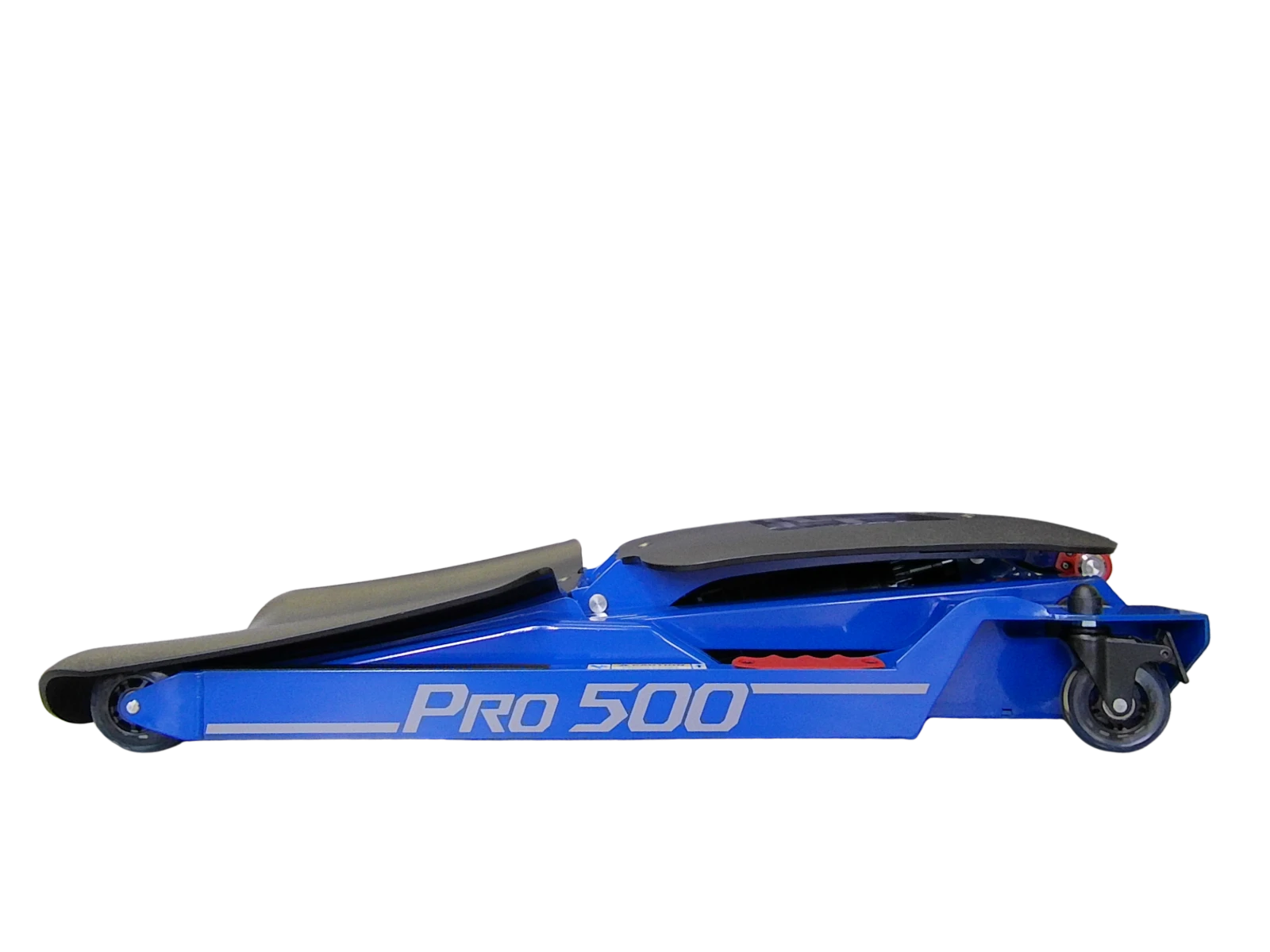
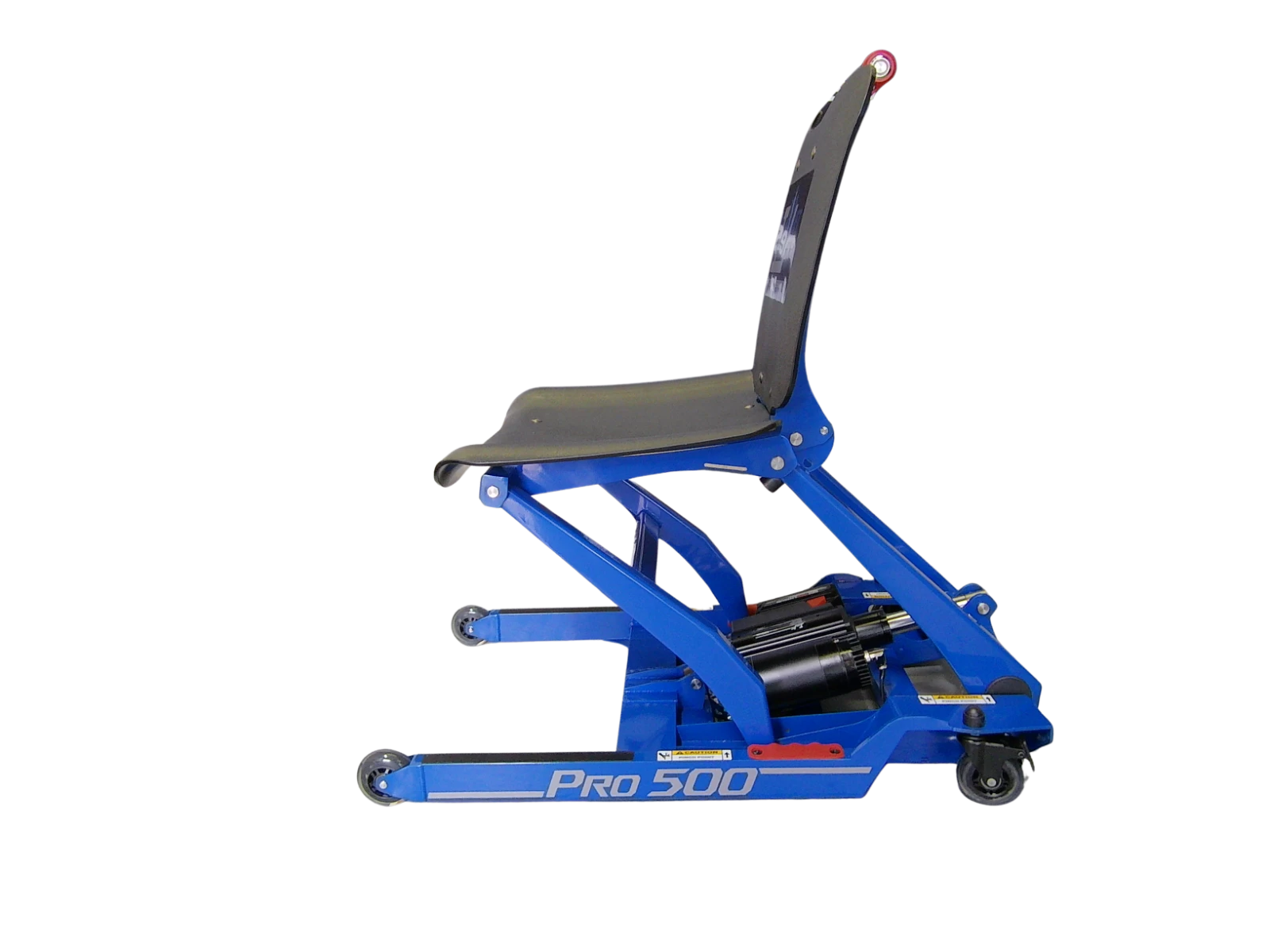
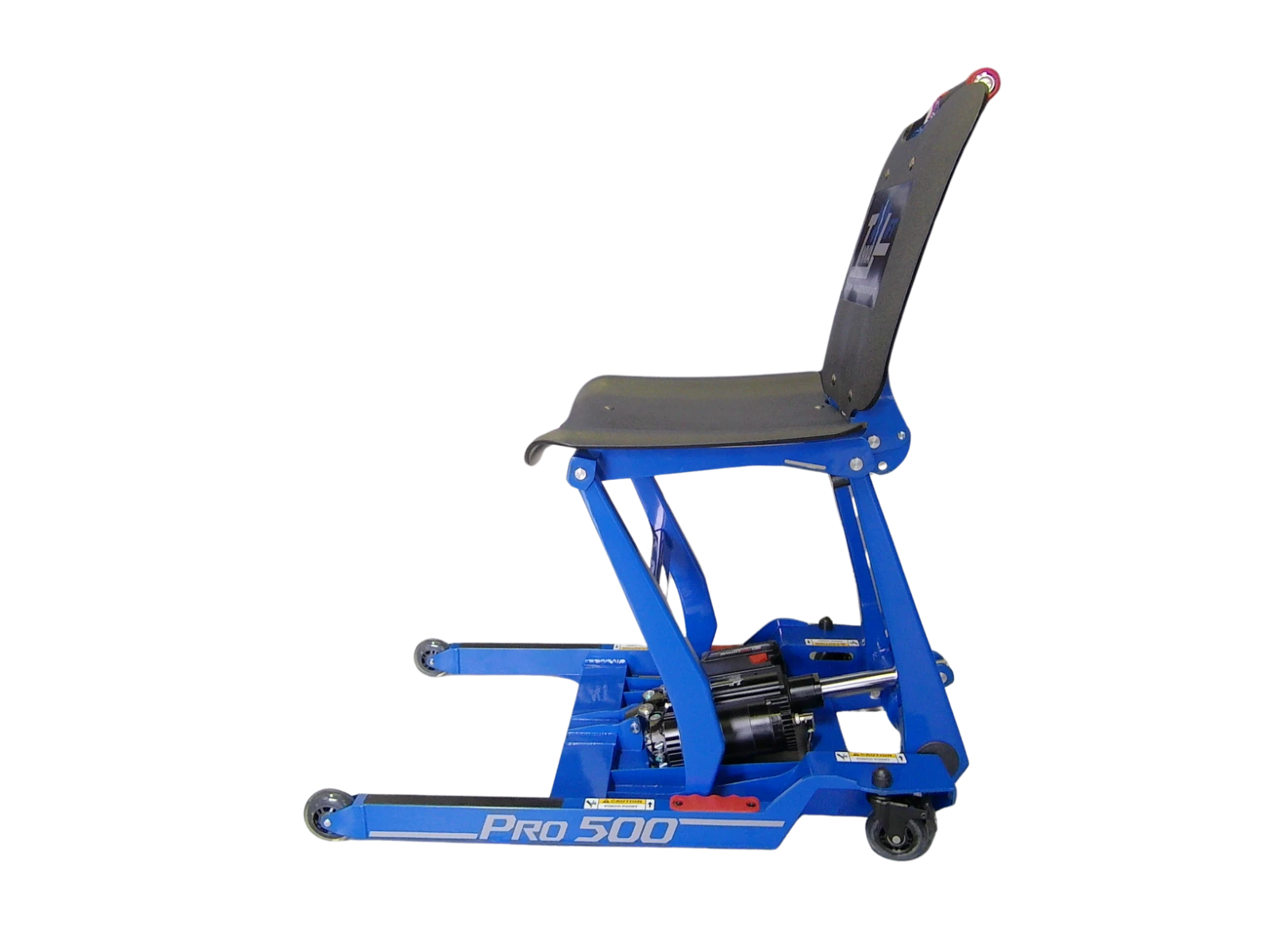
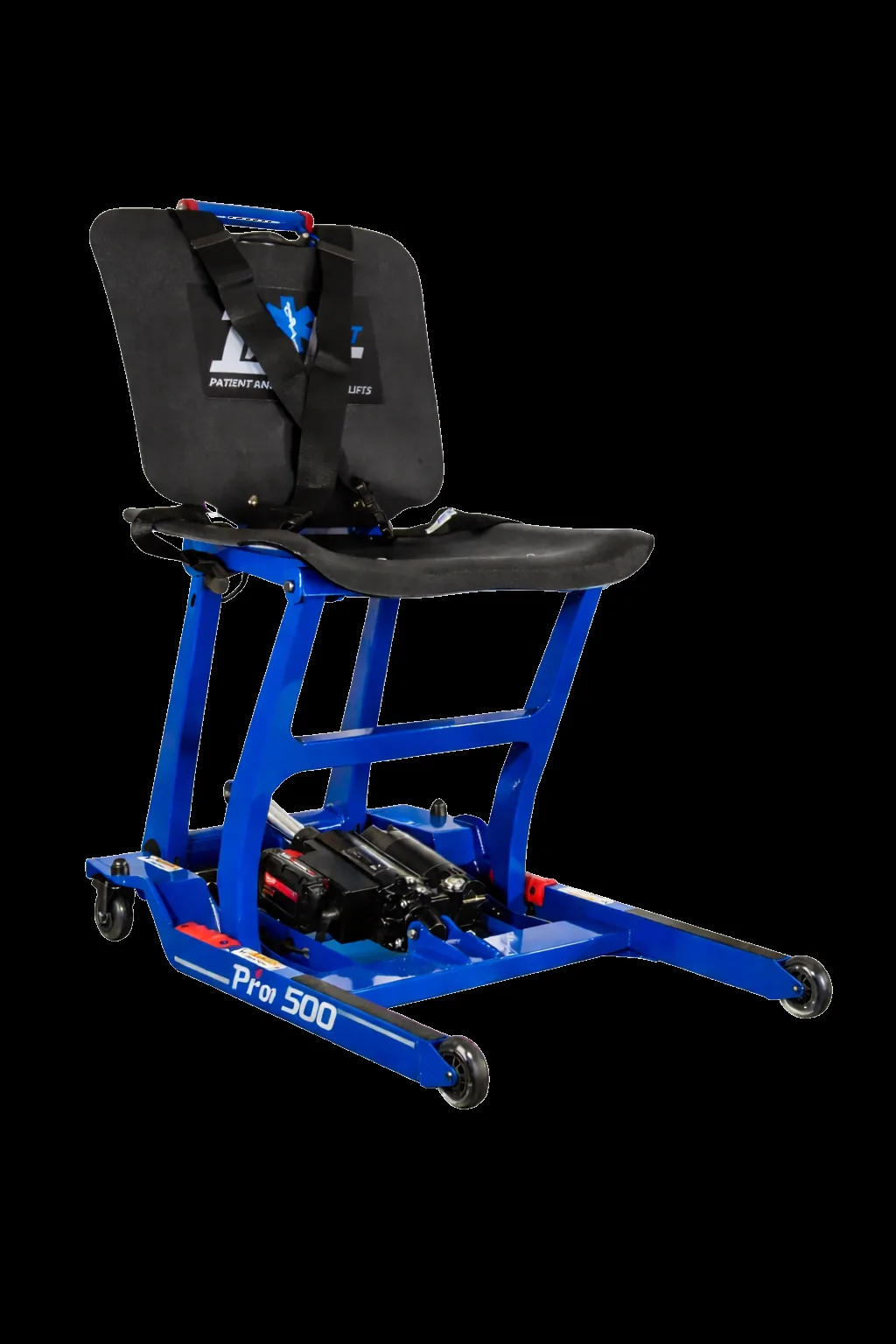
How do we get them up from the floor without risking the health and safety of our crews? And can we do it in a way that is equally safe and dignified for the fallen individual? The answer was simple: we eliminate the lift altogether by designing a portable, high capacity, fall recovery chair that fills the last remaining gap in powered safe patient handling.
No strain. No guesswork. No risk.
Kevin Comstock – Founder/President, Inva-Lift
Read the whole story